Finding the Perfect Pizza Place in Cheyenne for Game Day
Game day changes the way people order food. A normal Friday night pizza run is one thing. A Sunday packed with kickoff times, hungry relatives, and a living room full of opinions is something else entirely. The margin for error gets small fast. A late order can derail the first quarter. A flimsy crust goes cold before halftime. An overcomplicated menu slows everything down when all anyone really wants is a hot pie, decent wings, and enough napkins to survive a close game.
That is why finding the right pizza place in Cheyenne takes more than typing a phrase into a search bar and picking the first name that appears. If you are feeding two people, almost any decent shop can get the job done. If you are feeding eight, twelve, or a rotating crowd that keeps drifting in from the garage and back patio, the choice matters. You need reliability, not just good marketing. You need a place that understands volume, timing, and the strange urgency of a fan base that expects food to arrive before the second quarter, not the postgame show.
Cheyenne is well suited to pizza nights. It is a city where gatherings still happen at home, where neighbors stop by, and where weather can make staying in feel smarter than heading out. On cold days, windy days, or those game days when nobody wants to lose a parking spot by making a food run, pizza becomes the obvious center of the table. The challenge is sorting out what makes one local option better than another for this specific occasion.
Game day pizza is not ordinary pizza
People often rate a pizza place based on a sit-down meal or a quick weeknight carryout order. That can be misleading. Game day puts pressure on a restaurant in ways that expose strengths and weaknesses quickly.
First, volume matters. A shop may produce an excellent specialty pie on a quiet Tuesday but struggle when every household in town seems to place an order within the same hour. Timing slips. Staff get buried. The fries that looked great on the menu arrive limp. A good game day pizza place has systems for rush periods. The kitchen can handle a wave of orders without quality dropping off a cliff.
Second, portability matters. Pizza on game day sits out. It gets opened, closed, moved from kitchen counter to coffee table, and revisited during every timeout. A delicate pie that tastes wonderful straight from the oven may not be the best option for a long viewing session. Crust structure, cheese coverage, and topping balance all become more important than they might seem in a standard restaurant review.
Third, menu flexibility matters. A house with six guests rarely agrees on toppings. Someone wants meat lovers. Someone else wants half mushrooms, half olives. One person is avoiding gluten. Another insists that pineapple belongs on pizza and is willing to start an argument about it. The best pizza place in Cheyenne for game day is often the one that can meet all those requests without turning the order into a twenty-minute phone call.
What to look for in a pizza place in Cheyenne
Cheyenne has its own rhythms. Some days move easy. Others feel compressed by weather, events, or weekend demand. When you are choosing a pizza place cheyenne residents would trust for a game day spread, practical details tell you more than catchy slogans do.
A dependable shop answers the phone promptly or offers online ordering that actually works. That sounds basic, but it saves aggravation. If a website crashes during a big football weekend or forces you through five screens before you can customize a pie, that convenience disappears quickly. The places that earn repeat game day business usually make ordering simple.
Delivery range also matters more in Cheyenne than people sometimes admit. Not every shop serves every neighborhood with the same speed, especially during a rush. A place that is ideal near downtown may be less dependable if you live farther out and want your food to arrive hot. Carryout can solve that, but only if parking and pickup timing are easy. On a busy sports weekend, a smooth carryout operation can be just as valuable as fast delivery.
Consistency should rank near the top of the list. A lot of people chase the most creative topping combinations or the most dramatic social media photos. For game day, I would rather have a shop that delivers the same solid pizza every single time. Predictability wins when a dozen people are counting on lunch or dinner. You do not need a surprise. You need a crust that holds up, sauce that tastes balanced, and a kitchen that does not forget the ranch, blue cheese, or extra plates.
The crust question matters more than most people think
Every city has its crust loyalties. Thin crust fans want crisp edges and clean slices. Pan pizza people want chew, weight, and a little oil in the corners. Traditional hand-tossed sits in the middle and tends to be the safest group option. For game day, crust style is not just personal taste. It changes how well the pizza performs over a few hours.
Thin crust has advantages if your crowd snacks throughout the game. Slices are easy to grab, easy to fold, and less filling, which helps when you are serving wings, dips, and dessert alongside it. The downside is that very thin pies cool quickly and can lose their appeal if they sit too long.
Thicker crusts hold heat longer and feel more substantial, which can be useful if food is meant to carry everyone from pregame through halftime. But heavy crust plus heavy toppings can bog down the table. One or two slices in, people are full, and the variety disappears.
The smartest move for larger groups is usually a mix. Get one sturdier pie and one lighter, crisper option. That keeps the table interesting and reduces the risk of ordering too much of one style. Good pizza places are used to this kind of balancing act and can often suggest combinations that fit your group size.
Toppings need strategy, not just enthusiasm
Game day orders go wrong when people treat toppings like a dare. Yes, a pizza piled high with five meats, jalapenos, extra cheese, and two sauces sounds exciting. It can also arrive greasy, slide apart in the box, and leave half your guests reaching for paper towels instead of another slice.
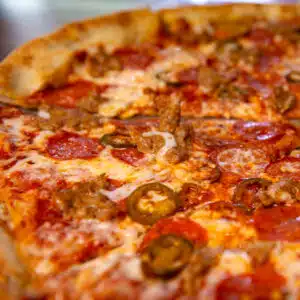
There is a practical art to topping selection. Balance usually beats abundance. One meat paired with one or two vegetables often lands better than a kitchen-sink approach. Pepperoni remains popular for a reason. It travels well, holds texture, pizza place cheyenne and pleases almost everyone. Sausage works if the shop seasons it well and does not overload the pie. Vegetables like onions, peppers, olives, or mushrooms add contrast without creating structural chaos.
This is where a strong local pizza place can set itself apart. The best shops know how to build a pie that tastes generous without becoming messy. They portion toppings with restraint. They understand that a pizza for a dining room table is not the same as a pizza for a lap while someone yells at a referee.
If your crowd includes adventurous eaters, it is smarter to dedicate one pizza to bolder flavors rather than making every pie divisive. A specialty option can add interest, but the core order should stay broad and crowd-friendly.
Wings, breadsticks, and the supporting cast
A lot of game day meals are won or lost by the sides. Pizza gets the attention, but extras shape the whole experience. If the wings are strong, guests remember the spread as a success. If the breadsticks arrive tough, the marinara is watery, and the salad looks like an afterthought, the meal loses steam.
Wings deserve special consideration. If a pizza place in Cheyenne does wings well, that is a real advantage for game day. Good wings should arrive with crisp skin or at pizza place cheyenne least enough texture to avoid the steamed, rubbery effect that can happen in closed containers. Sauce should be flavorful, but not so excessive that the basket turns into soup by the time it reaches your house. Dry rub options often travel better than heavily sauced wings, especially for longer delivery routes.
Breadsticks and cheese bread can be useful if you are feeding teenagers or a bigger group on a budget. They stretch the meal and keep early arrivals occupied while the rest of the order gets set out. Dipping sauces matter here. A pizza place that sends generous portions of marinara, ranch, or garlic butter shows it understands how people actually eat during a watch party.
Salads are rarely the star of game day, but they can rescue the balance of the meal. One large salad on the counter gives people something fresh between slices and wings. It also helps if your gathering starts early and carries on for several hours.
Delivery versus carryout in Cheyenne
There is no universal right answer here. In my experience, the better option depends on the size of the order, the weather, and how close you live to the shop.
Delivery is ideal when the house is already full and nobody wants to miss kickoff or navigate traffic. It also spares the host from a mid-prep disappearance. But delivery windows widen fast during popular game times. If the game starts at noon, a lot of households will place orders around eleven or eleven-thirty. That stack of demand can turn a quoted forty-five minutes into well over an hour.
Carryout gives you more control. If you place the order ahead and leave enough buffer, you can usually get food home faster and hotter than a delivery run would allow. Carryout also lets you verify the order before leaving. That matters more than people think. Missing sauces, wrong toppings, or forgotten side items are much easier to fix at the counter than by calling back once guests are already asking where the wings are.
For many game day hosts, the best compromise is ordering early and picking up just before guests arrive. That works especially well if your place is on the way back from errands or near your route home.
A practical way to judge a pizza place before the big game
You do not need a formal rating system, but a small test run helps. If you are planning food for an important game, order from the restaurant once before the event. A weeknight trial reveals a lot. You will learn whether the crust travels well, whether the stated pickup time is realistic, and whether the online ordering system is intuitive or frustrating.
Pay attention to the small things. Was the order accurate. Did the pizza stay hot for the drive home. Were the slices cut evenly. Did the sides feel like they were made with care, or simply added to the menu because everyone else offers them. Those details predict game day performance better than almost anything on a flyer.
Here are a few signs that a shop is likely to handle a football crowd well:
- The staff gives clear timing estimates and does not overpromise.
- The menu offers enough variety without becoming confusing.
- The pizza holds up for at least twenty to thirty minutes after pickup.
- Sauces, utensils, and napkins are packed correctly the first time.
- The restaurant seems prepared for rushes, not surprised by them.
That list is simple, but it weeds out a surprising number of options.
Pricing deserves a closer look
People often compare pizza places by sticker price alone, which can lead to bad value decisions. A cheaper large pizza may sound like a bargain until you realize the crust is mostly air, the toppings are sparse, and you need three sides to make the meal feel complete. A slightly pricier order from a better shop can feed the same group with less waste and fewer add-ons.
For game day, total meal value matters more than the price of a single pie. Consider how many people you are feeding, how many strong eaters are in the room, and whether you need sides, drinks, or dessert. If a place offers bundles, look closely at what is included. Some packages are genuinely efficient. Others look generous on paper but load up on inexpensive bread while skimping on the items guests actually want.
Portion realism is where experience helps. A group of six adults watching a full afternoon of football usually eats more than a casual dinner group of six. There is more grazing, more reaching for one extra slice, and more repeated trips to the kitchen. If your crowd includes teenagers or a few friends who skipped lunch, plan accordingly.
Hosting style should shape the order
Not every game day gathering is the same. A quieter watch party with four or five close friends can handle a more specific order. You can lean into favorite toppings, a specialty pie, or even a local favorite that has a narrower fan base. A larger open-house style gathering needs broader appeal and easier serving.
If people are rotating through the house, standard slices and familiar flavors work best. If everyone is sitting down for the full game, you can be a bit more adventurous. Timing also shifts. For a single marquee game, one large order may be enough. For a full day of football, it can be smarter to split the meal into two smaller orders so the second round arrives fresh later on.
This is especially useful if you are still evaluating the best pizza place cheyenne has for your household. Ordering in stages lowers the risk. If the first round goes quickly and quality is strong, you can reorder with confidence. If not, you have not tied the whole day to one giant purchase.
Common mistakes that ruin the experience
The biggest mistake is waiting too long. Prime ordering windows disappear quickly on major sports weekends. Even excellent restaurants get buried. If you know your schedule, place the order early. Some shops allow advance orders for specific pickup or delivery times, and that feature is worth using.
Another mistake is overcustomizing. Half-and-half, sauce changes, crust substitutions, no onions on one side, extra olives on a quarter of another, dressing swaps, and wing sauce changes may all sound manageable until the kitchen is handling dozens of orders at once. Complexity increases the chance of mistakes. Save the elaborate modifications for quieter nights.
A third mistake is ignoring who is actually in the room. Hosts sometimes order for their own preferences instead of their guests. The result is one spicy specialty pie that excites two people and disappoints everyone else. There is room for a signature favorite, but not at the expense of the basics.
If you want a quick gut check before placing the order, use this simple rule:
- Start with one broad crowd-pleaser.
- Add one pizza with a little personality.
- Include one side that stretches the meal.
- Make sure sauces and drinks are covered.
- Order earlier than you think you need to.
That approach prevents most game day food problems before they start.
What separates a good local shop from a forgettable one
The best pizza places are rarely the ones shouting the loudest. They are the places that understand service at a practical level. They tell you what the wait really is. They package food so it arrives intact. They know that a family ordering for a game wants consistency more than theater.
That local reliability counts for a lot in Cheyenne. People remember which restaurants came through on cold evenings, during busy weekends, or when a last-minute order had to feed extra guests. Those memories build loyalty. They also shape what “best” means. It is not always the fanciest crust or the most creative topping board. Often, it is the place that gets every box right, every time, and makes the host look organized.
You can usually spot this kind of operation by the small signs. The phone staff sounds calm during a rush. Pickup shelves are orderly. The order is boxed carefully, not stacked carelessly. Even the reheating quality tells you something. Great game day pizza should still taste good an hour later, whether someone grabs a cold slice from the box or warms one up after halftime.
Building your own game day standard
Once you find a place that works, build a repeatable order. That may sound unimaginative, but there is real value in having a go-to formula. Maybe it is two large pizzas, one order of wings, one cheese bread, and enough ranch for the table. Maybe it is a thin crust for the snackers and a heavier pie for the hungry regulars. Either way, a proven order saves time and reduces decision fatigue on busy days.
This is especially helpful if you host often. Instead of rethinking the menu every week, you can adjust around a stable base. Add a specialty pie for rivalry games. Add salad when the gathering starts earlier in the day. Add dessert for playoffs. The core stays familiar, and the stress drops.
The right pizza place in Cheyenne becomes part of that routine. It stops being just a restaurant and starts functioning like a dependable game day partner. That sounds dramatic until you have lived through a few watch parties where the food arrived late, the order was wrong, and half the room started rummaging through the pantry by halftime.
The real goal is simple. You want hot pizza, solid sides, accurate timing, and a menu that makes feeding a mixed crowd easy. If a restaurant can deliver that on a regular basis, you have found more than a convenient takeout option. You have found the place that earns a spot in your standing game day plan, and that is the standard worth chasing.
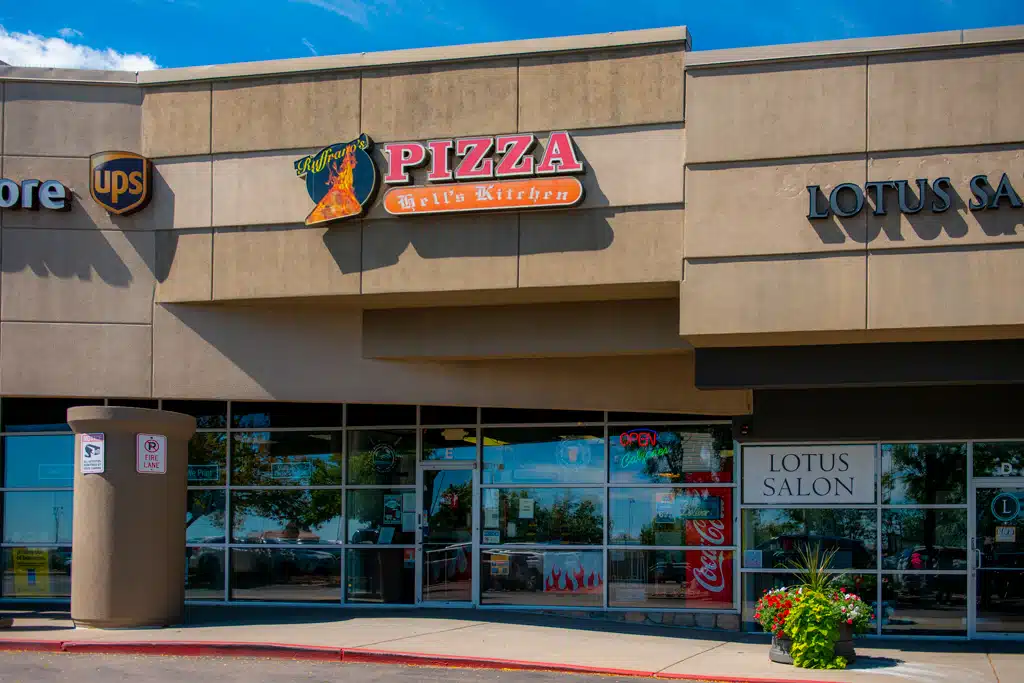
Ruffrano's Hell's Kitchen Pizza Cheyenne
Address: 1670 E Cheyenne Mountain Blvd, Colorado Springs, CO 80906
Phone number: +17195764355
FAQ About Pizza Place Cheyenne
What's the most popular pizza place?
The "most popular" pizza place depends on whether you measure by location count, total sales, or customer favorite status.
What is the 2 pizza rule?
The two-pizza rule is a management principle made popular by Amazon founder Jeff Bezos. It states that a team or meeting should never be larger than what can be fed with two large pizzas—typically translating to a group of 5 to 10 people (or roughly 6 to 12 people depending on appetites).
Is 2 pizzas enough for 10 people?
No, 2 pizzas are usually not enough for 10 people.