How to Choose the Right Pizza Place in Cheyenne for Your Family
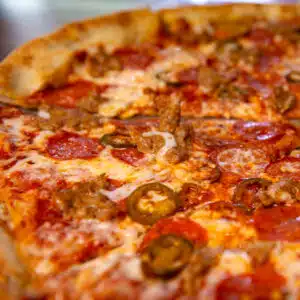
Choosing a family pizza spot sounds easy until everyone in the car wants something different. One kid wants plain cheese, another only eats thin crust, one adult wants a decent salad, and somebody is already asking whether there will be enough seating for grandparents. Add a busy Friday night, a Wyoming wind that makes getting in and out of the car less fun than it should be, and the question becomes more practical than simple.
If you are trying to pick the right pizza place in Cheyenne for your family, the best choice usually has less to do with hype and more to do with fit. The right restaurant for a youth soccer team dinner is not always the right one for a quiet weeknight meal with younger children. A place with excellent specialty pies may still be a poor family option if parking is tight, wait times drag, or the dining room is too loud for conversation. Families do better when they evaluate the whole experience, not just the menu.
That is especially true in a city like Cheyenne, where families often balance school schedules, sports, work, weather, and budget all at once. Pizza works because it meets people where they are. It can be quick, casual, affordable, and easy to share. But not every pizza restaurant handles those basics with the same level of consistency.
Start with the kind of family meal you actually need
Before comparing menus or reading reviews, it helps to define the meal itself. Families tend to make better restaurant decisions when they stop asking, “What sounds good?” and ask, “What kind of evening are we trying to have?”
A weeknight dinner after practices calls for one type of place. You may need fast service, easy parking, online ordering that actually works, and food sturdy enough to survive the trip home if you decide not to dine in. On the other hand, a Saturday lunch with out of town relatives might call for a more comfortable dining room, broader menu options, and room for everyone to sit without feeling rushed.
That difference matters. I have seen families choose a restaurant based on a few glowing comments about flavor, only to realize once they arrive that the restaurant is better suited to adults lingering over craft toppings than to a family of five trying to eat and get home before bedtime. Great pizza alone does not solve a mismatch in pace or setup.
Think about the age of your children too. Toddlers need forgiving environments. School age kids can handle more waiting if there is enough space and the food comes out reliably. Teenagers may care more about portion size, customization, and whether the place feels worth recommending to friends. A solid family choice in Cheyenne should match your household’s rhythm, not fight against it.
The menu should work for everyone, not just the adventurous eater
When families talk about a “good menu,” they often mean different things. Some people mean variety. Others mean affordability. In practice, the strongest family pizza menus do three things well. They offer dependable basics, enough flexibility for different tastes, and a few non pizza options that are not afterthoughts.
The basics matter more than many restaurant owners realize. A child who loves a straightforward cheese pizza does not care whether a place offers roasted garlic cream sauce or hot honey drizzle. Parents often need confidence that a simple order will arrive hot, well made, and familiar. If the kitchen cannot execute a plain cheese or pepperoni pie well, the rest of the menu becomes much less interesting.
Flexibility matters just as much. Good family pizza spots understand substitutions, half and half combinations, and varying appetite levels. Some families need gluten sensitive options. Others need a dairy free choice, a reliable side salad, or a sandwich for the person who was overruled on pizza night. A menu does not need to be enormous, but it should leave room for compromise.
One of the smartest things a family can do is look at the menu with real ordering behavior in mind. Instead of admiring specialty pizzas you may never buy, calculate whether your usual group can order without friction. Can two adults and three children build a meal that feels fair and filling? Are the sizes clear? Do toppings and add ons drive the total up too quickly? Those practical questions often tell you more than the restaurant’s branding.
Service speed is not a luxury for families
Adults can tolerate waiting better than kids can, especially when children are hungry and tired. A restaurant does not have to be lightning fast to be family friendly, but it does need to be honest about timing. The most frustrating experiences usually come from mismatched expectations. If a place says thirty minutes and means fifty, the quality of the pizza has to work much harder to recover the evening.
Pay attention to how a restaurant handles volume. A strong pizza place in Cheyenne should manage both slower midweek traffic and heavier rush periods with some consistency. That does not mean every visit will be perfect. It means staff communicate clearly, orders remain accurate, and delays are handled professionally.
One reliable sign of a family friendly operation is whether employees seem comfortable with ordinary family requests. Asking for extra plates, a refill, ranch on the side, or a box early should not feel like an inconvenience. Good service in a pizza restaurant often looks simple, but simple is hard to do pizza place cheyenne well. Families feel the difference immediately.
Takeout deserves its own scrutiny. Sometimes the right pizza place cheyenne families choose is not the best dine in room, but the place that packages food well, labels boxes clearly, and sends you home with an order that survives the drive without turning soggy. That counts. For many households, especially during winter or on packed weeknights, dependable takeout is the real standard.
Seating, noise, and layout shape the whole meal
Families do not just eat in a restaurant. They move through it. They squeeze into booths, carry coats, shift booster seats, manage cups, and try to keep a toddler from backing into a server. That is why layout matters so much.
A narrow, crowded dining room may feel energetic to some guests, but families often experience it as stressful. Better family spots usually have enough breathing room between tables, seating that accommodates different group sizes, and a setup that does not punish you for bringing children through the door. You can often sense this within two minutes of arriving.
Noise level deserves more attention than it gets. A lively room is not necessarily a problem. Constant echo, blaring televisions, or music turned up to compete with a full house can be. Families with younger children may find that excessive noise makes everyone more impatient. Families dining with older relatives may struggle to hold a conversation at all. If a place consistently feels like you have to shout through dinner, it may be better reserved for team gatherings than regular family meals.
The best family pizza restaurants strike a balance. They feel casual and relaxed without becoming chaotic. They are active enough that children do not stand out, yet calm enough that adults can still enjoy the evening.
Location and parking matter more in Cheyenne than people admit
In many towns, people talk about food as if location barely matters. In real family life, location often decides the winner. That is doubly true when weather turns, schedules tighten, or you are feeding children after a long day.
A convenient pizza place in Cheyenne can save more than ten minutes. It can save patience. Easy parking, a simple entrance, and a location near your regular routes often make the difference between a meal that feels manageable and one that starts with irritation. This is especially true if you are carrying younger children, picking up dinner on the way home, or meeting another family.
Cheyenne families also know that wind, snow, and cold can turn a short walk into a production. During rough weather, the “best” pizza place on paper may not be the best choice that night. A restaurant with curbside pickup, clear pickup instructions, or a smooth carryout counter may serve your family better than a dining destination across town.
There is also the question of neighborhood fit. Some restaurants are easier to pair with errands, school pickups, or weekend activities. Families tend to return to places that fit naturally into their routine. Convenience may not sound romantic, but it is one of the strongest predictors of where people become regulars.
Price is about value, not just the ticket total
Pizza has a reputation for being economical, but family restaurant bills can climb faster than people expect. Size confusion, topping charges, drinks, appetizers, and desserts can turn a casual dinner into a much bigger spend than planned.
The smart way to judge price is through value. Start with portion clarity. Can you tell what each size realistically feeds? Some restaurants are generous and transparent. Others leave families guessing, which often leads to overordering or not quite having enough. Neither outcome feels good.
Then look at whether the meal delivers across the table. A slightly higher price can make sense if the ingredients are better, the crust holds up, leftovers reheat well, and the experience runs smoothly. On the other hand, a bargain loses appeal if the pizzas arrive unevenly cooked, the order is wrong, or everyone is hungry again an hour later.
Specials can be useful, but only if they fit how your family eats. A deal built around multiple large specialty pies may not help a smaller household. A lunch special might matter a lot if you tend to eat out on weekends. Families get the best value when they know their ordering habits and compare options honestly rather than chasing the biggest advertised discount.
Cleanliness tells you how the place is run
Families notice cleanliness in a very immediate way. Sticky tables, overflowing trash, a messy restroom, or a neglected drink station create doubt quickly, especially when children are involved. You do not need a white glove inspection. You just need signs that the staff maintains the space with care.
The reason cleanliness matters goes beyond appearances. It often reflects discipline behind the scenes. Restaurants that stay on top of dining room basics tend to be sharper in other areas too, including order accuracy and general organization. That is not a guarantee, but it is a useful clue.
Restrooms are often the fastest read. Parents know this instinctively. If the restroom is hard to access, poorly stocked, or obviously neglected, the place may not be set up with families in mind. The opposite is also true. A clean, functional restroom with enough room to maneuver says a lot about how the business thinks about guests.
Reviews help, but patterns matter more than praise
Online reviews can be useful if you read them carefully. The mistake many families make is focusing on emotional extremes. One angry complaint or one glowing review rarely tells the full story. What matters are patterns.
If multiple reviewers mention slow service during peak hours, that is worth noting. If people consistently praise a place for friendly staff, kid friendly seating, or reliable takeout, that carries weight. Specific comments are more helpful than generic ones. “Great food” tells you almost nothing. “Our order was accurate, the kids’ pizzas came quickly, and the staff handled a large group well” tells you quite a bit.
It also helps to consider the reviewer’s situation. A couple on date night and a family with three children often evaluate the same restaurant very differently. For a family meal, prioritize comments that mention timing, noise, menu flexibility, and how the restaurant handles groups.
A local recommendation still beats an algorithm. Ask neighbors, teachers, coaches, or coworkers where they go after pizza place cheyenne games or on busy weeknights. People with similar schedules tend to offer the most practical advice.
A good first visit should answer five questions
If you are trying a new place, do not overcomplicate it. Use the first visit to see how the restaurant performs in the areas that matter most to family life.
- Was ordering straightforward, whether online, by phone, or at the counter?
- Did the timing feel honest and reasonable for the crowd level?
- Could everyone at the table find something they wanted to eat?
- Was the space comfortable enough for your group size and age mix?
- Did the total cost feel fair for what you received?
These questions sound basic, but they reveal almost everything. Families do not need perfection. They need repeatability. A place that answers these well on a normal night is often worth returning to.
Watch how the restaurant handles small problems
Any restaurant can have an off night. Ovens get slammed. Orders cross paths. A server forgets a refill. What separates a strong family restaurant from a forgettable one is how it responds when something goes wrong.
Good places correct mistakes without turning the table into a negotiation. If a pizza comes out wrong, they fix it promptly. If there is a delay, they acknowledge it instead of avoiding eye contact. If a child spills a drink, the staff helps reset the situation without acting put upon. Those moments stay with families.
This is where “hospitality” becomes more than a slogan. Families remember feeling accommodated. They also remember feeling tolerated. The difference is subtle but powerful. A pizza place does not have to be formal to be professional. It simply has to treat your time and your table with respect.
The best family spot is not always the most exciting one
There is a tendency to chase novelty. A new menu item, a trendier atmosphere, a more elaborate crust style. Those things can be fun, and sometimes they are excellent. But when families settle into habits, they usually return to the place that makes the evening easier.
That might be the restaurant with the fastest kitchen, the friendliest counter staff, the parking lot that never turns into a headache, or the menu that pleases both cautious eaters and more adventurous ones. Reliability can beat excitement over the long run. For family dining, that is not a compromise. It is often the mark of a smart choice.
I have watched families become loyal to restaurants that would never win a contest for the most inventive pie in town. What they win instead is trust. The kids know what they are getting. The parents know what it will cost. The order comes out right more often than not. That kind of consistency matters more than a dramatic first impression.
When takeout is the better move
There are nights when dining in sounds nice and turns out to be a bad call. Kids are overtired, schedules ran long, weather shifted, or everyone is already at the edge of patience. On those nights, a smart family chooses takeout without guilt.
A strong pizza place cheyenne residents rely on should make that transition easy. Good takeout starts with clear ordering and realistic pickup times. It continues with packaging that keeps crusts from steaming into softness and boxes marked clearly enough that parents are not opening every pizza on the kitchen counter trying to identify the one without olives.
Families should also notice how well the food travels. Some pizzas hold heat and texture better than others. Some appetizers or sides do not survive the drive gracefully. If a restaurant consistently sends home meals that eat well fifteen to twenty minutes later, that is a meaningful advantage.
A few red flags are hard to ignore
Some warning signs are small annoyances. Others signal a place your family may not want to revisit.
- Menus that make pricing hard to understand
- Staff who seem irritated by ordinary family requests
- Repeated order errors without much urgency to fix them
- Dining rooms that feel dirty during non peak hours
- Wait times that are consistently much longer than promised
None of these automatically disqualify a restaurant after one visit. Still, when several show up together, families usually do well to keep looking.
Let your family’s habits decide the answer
The right pizza place in Cheyenne is the one that serves your family well in real conditions, not ideal ones. It works on a cold Tuesday when everyone is hungry. It works before a school event. It works when grandparents join you, when one child wants only breadsticks, and when you need the order packed to go with minimal fuss.
That kind of fit rarely comes from one dramatic feature. It comes from the combination of decent food, functional service, clear pricing, practical convenience, and an environment where families can relax enough to enjoy the meal. When you find a restaurant that does those things consistently, you stop searching for the perfect pizza night and start having more of them.
For most families, that is the real goal. Not a flawless dining experience every time, but a dependable place that feels worth returning to. Once you find that, the decision gets much easier.
Ruffrano's Hell's Kitchen Pizza Cheyenne
Address: 1670 E Cheyenne Mountain Blvd, Colorado Springs, CO 80906
Phone number: +17195764355
FAQ About Pizza Place Cheyenne
What's the most popular pizza place?
The "most popular" pizza place depends on whether you measure by location count, total sales, or customer favorite status.
What is the 2 pizza rule?
The two-pizza rule is a management principle made popular by Amazon founder Jeff Bezos. It states that a team or meeting should never be larger than what can be fed with two large pizzas—typically translating to a group of 5 to 10 people (or roughly 6 to 12 people depending on appetites).
Is 2 pizzas enough for 10 people?
No, 2 pizzas are usually not enough for 10 people.