Pizza Place Cheyenne Inspiration for Your Next Food Stop
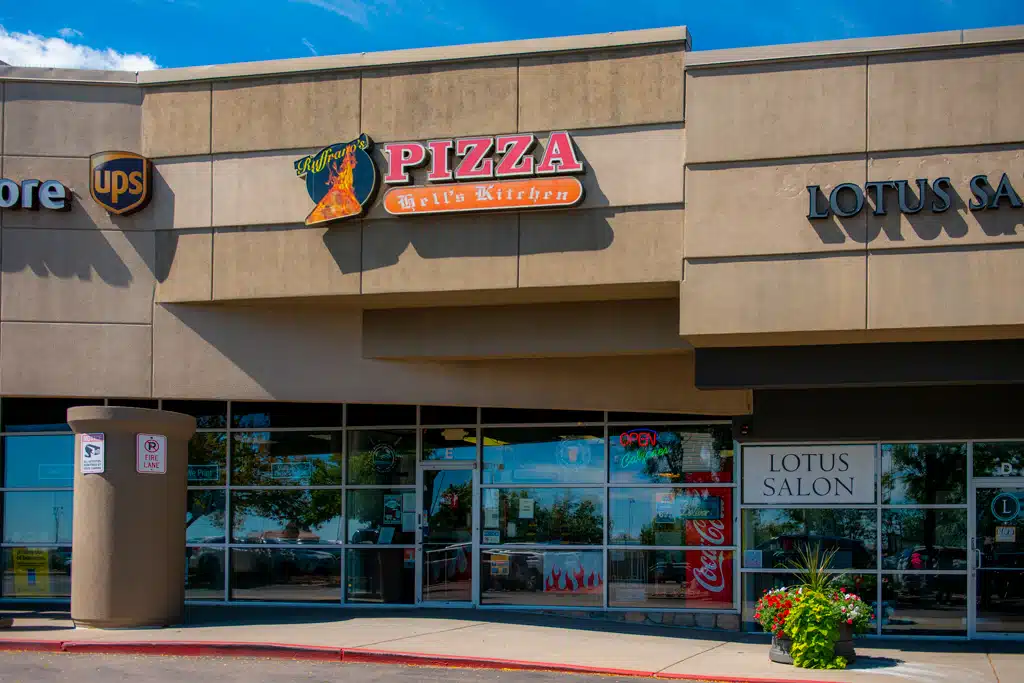
Finding a memorable pizza place in Cheyenne is not just about satisfying a craving. It is about choosing the kind of meal that fits the hour, the company, and the mood. Some nights call for a quick slice and a cold drink after a long drive on I-25. Other evenings deserve a slower pace, a full pie at the center of the table, and enough time to argue over whether thin crust or a thicker, chewier base makes the better bite. Pizza tends to flatten social differences that other meals do not. Families, solo travelers, ranch crews, office teams, and weekend visitors all understand what a good pie is supposed to deliver.
Cheyenne is the sort of place where people appreciate value, but not at the expense of quality. That matters when you are deciding where to eat. A pizza shop can look lively and still miss the details that make a meal worth repeating. The dough may be under-proofed. The sauce might lean too sweet. The cheese coverage can be generous in a way that actually works against texture. On the other hand, a modest-looking storefront can turn out pies with blistered crust, balanced toppings, and the kind of consistency that earns regulars rather than one-time curiosity.
If you are looking for inspiration before your next food stop, it helps to think beyond the broad category of pizza and focus on what makes a particular place fit your plans. In Cheyenne, that choice often comes down to a blend of craftsmanship, comfort, and convenience.
What makes a pizza stop worth planning around
A good pizza place does more than produce edible rounds of dough and cheese. The best ones understand pacing, heat, texture, and balance. You can usually tell within a few minutes of sitting down whether a shop takes those fundamentals seriously. The room smells like toasted flour and oregano rather than fryer oil. The staff can explain the specialty pies without reading from a board. Orders move with a rhythm that suggests an organized kitchen rather than controlled panic.
For diners in Cheyenne, practical factors matter too. Parking can shape the entire experience, especially if you are coming in from the road or corralling kids after a school event. Wait times matter on cold evenings, when the appeal of a hot meal rises in direct proportion to the wind outside. Portion size matters because many people are not looking for a delicate tasting menu. They want a satisfying dinner with enough left over for tomorrow's lunch.
The phrase pizza place Cheyenne can mean different things depending on who is searching. A traveler may want speed and location. A local family may care more about booths, kids' options, and whether the kitchen handles a half-and-half pie without confusion. A couple meeting friends may want craft beer, salads that taste freshly made, and enough room to linger without feeling rushed. One reason pizza remains such a durable favorite is its flexibility. One reason some restaurants stand out is that they know exactly which kind of flexibility they offer.
The crust tells you almost everything
If you want to judge a pizza seriously, start with the crust. Toppings get attention, but the dough carries the meal. A well-made crust should have structure without turning into a jaw workout. It should support sauce and cheese, yet still show character on its own. That means a clean bake on the bottom, some color on the edge, and a texture that matches the style the shop claims to serve.
Thin crust can be excellent, but only if it remains crisp enough to avoid folding into itself under the toppings. A thicker crust can be just as satisfying if it has an airy interior and a firm outer shell rather than a dense, bready chew. Pan-style pizzas appeal to diners who like a richer bite, especially when the edges caramelize properly. Hand-tossed crust usually sits in the broad middle ground and, when done well, pleases the widest range of appetites.
One of the most common disappointments at an average pizza restaurant is imbalance. Too much sauce soaks the center. Too much cheese buries the seasoning. Too many toppings turn each slice into a slippery pile. Better pizza places resist the temptation to confuse abundance with quality. They understand that every ingredient should support the crust, not overwhelm it.
In a town where both locals and pass-through visitors want dependable food, crust quality becomes a useful shorthand. If the dough is cared for, the rest of the menu usually follows that standard.
Why sauce and cheese deserve closer attention
People often describe pizza in terms of toppings first, but sauce and cheese do most of the quiet work. A thoughtful tomato sauce gives the pie brightness, acidity, and a little sweetness without tasting like pasta marinara dumped from a ladle. It should be seasoned, but not aggressively. Garlic, herbs, and salt should lift the tomato, not bully it.
Cheese is even trickier. Melt matters, but flavor matters more. A heavy blanket of low-character mozzarella can look appealing from a distance and still leave each bite flat. Many strong pizza kitchens blend cheeses to get stretch, browning, and depth in the same pie. Even a simple cheese pizza can reveal whether the restaurant understands restraint. If the pie tastes rich but not greasy, and the cheese pulls without separating into an oily layer, the kitchen is probably paying attention.
This is one reason a plain pie is often the smartest first order at a new spot. Before loading up on sausage, peppers, onions, olives, mushrooms, and extra cheese, it helps to know whether the basics are sound. Restaurants that excel at the fundamentals tend to hold up across the menu.
The room matters more than most people admit
A pizza meal is rarely just food. It is atmosphere, tempo, and comfort. Some places thrive because they feel lived in. The booths are worn in the right way, the lighting softens the room, and the soundtrack stays in the background where it belongs. Other places succeed through energy. You hear laughter, plates landing, and the steady hum of a kitchen that is busy but under control. Neither style is automatically better. What matters is whether the room suits the kind of stop you want to make.
Cheyenne diners often appreciate straightforward hospitality. That means being greeted promptly, getting honest wait-time estimates, and dealing with staff who seem comfortable in the space. Warm service can forgive a lot. Cold or distracted service makes even good food land poorly. In a pizza restaurant, the little things add up quickly: water refills before you ask, napkins within reach, accurate split checks, and a server who warns you that the cast-iron pie plate is still hot.
If you are traveling, this matters even more. A meal on the road can either reset your day or drag it down. After hours in a car, most people do not want friction. They want a chair, a menu that makes sense, and food that arrives when promised. A good pizza place understands that hospitality is part of the product.
Choosing the right pizza stop for the occasion
Not every pizza craving is the same. The trick is matching the restaurant to the moment. If you are grabbing dinner between errands, convenience and speed may outrank atmosphere. If you are meeting friends for a weekend meal, broader menu options and a comfortable dining room matter more. If children are involved, the practical questions become obvious fast: noise tolerance, quick service, portion flexibility, and whether the staff treats family dining as normal rather than inconvenient.
Here are a few situations that shape the ideal choice:
- A quick weekday dinner favors places with dependable timing, easy pickup, and pies that travel well.
- A family meal works best where the menu offers variety, from simple cheese pizza to salads and shareable sides.
- A date night often benefits from a quieter room, a stronger beverage list, and a kitchen that respects detail.
- A group gathering needs large-format pies, easy table service, and enough space to keep the evening relaxed.
- A road-trip stop calls for clean facilities, straightforward ordering, and food that arrives hot without a long wait.
These details may sound ordinary, but they are exactly what separates a convenient meal from one you remember for the right reasons.
Specialty pies versus build-your-own
One of the easiest ways to read a pizza restaurant is to compare its specialty pies with its custom options. Specialty pies reveal the kitchen's confidence. A good house pie should not feel random or overloaded. It should show that someone understands proportion. Maybe the salt of cured meat offsets the sweetness of roasted peppers. Maybe a white pie uses garlic and ricotta carefully enough to stay rich without turning heavy. Maybe a vegetable pie gets enough heat and seasoning to satisfy even diners who usually default to pepperoni.
Build-your-own pizzas tell a different story. They reveal how flexible the operation is and whether the staff can execute clearly under variation. If a restaurant handles custom orders with ease, asks smart clarifying questions, and sends out a balanced pie even when the customer makes a few unusual choices, that is a sign of a disciplined kitchen.
There is a small but real trade-off here. Specialty pies often eat better because the combinations were tested. Custom pies can drift into excess. Extra cheese, multiple meats, and wet vegetables can push a pizza past the point where the crust can hold its structure. The best shops guide customers without sounding rigid. They know when to say yes, and they know when to suggest a better route.
The side dishes that quietly signal quality
Pizza may be the anchor, but side dishes often reveal whether a restaurant thinks like a kitchen or merely assembles orders. Salads should taste as though somebody cut the vegetables that day. Garlic bread should have crunch at the edge rather than limp softness throughout. Wings, if offered, should not feel like a separate afterthought bought in bulk and reheated into mediocrity.
Dessert matters too, especially if the restaurant wants to be more than a quick stop. A warm cookie, a simple cannoli, or a decent cheesecake can round out the meal. It does not need to be elaborate. It does need to feel intentional. The same is true of beverages. Thoughtful options, whether that means local beer, good iced tea, or kid-friendly choices that go beyond fountain soda, give a pizza place broader appeal.
For diners searching pizza place Cheyenne options, these supporting details can tip the decision. Many restaurants can make a serviceable pie. Fewer can make the entire meal feel coherent.
Dine-in, takeout, and delivery are not equal experiences
Pizza changes depending on how you eat it. That is worth acknowledging because some restaurants are better in the dining room than they are in the car ride home. A pizza straight from the oven has a texture window that can be surprisingly short. Steam trapped in the box softens crust. Cheese firms up as it cools. Delicate toppings lose contrast. If a place excels at crisp thin crust, you may want to eat there rather than order delivery from several miles away.
Takeout can still be excellent if the restaurant understands packaging and timing. The best operations vent boxes when necessary, separate salads and hot items smartly, and avoid letting completed pies sit too long before pickup. Delivery introduces even more variables, from driver routes to weather to the shape of the pizza itself. A hearty pan pizza may travel better than a lightly topped thin pie. A crowded Friday evening may add enough delay to alter the result.
This does not make one format superior to the others. It simply means the best choice depends on your priorities. If quality is the goal, eat on site when possible. If convenience matters most, ask which pies hold up best on the ride home.
Value is not just about the price on the menu
People sometimes talk about value as if it only means finding the lowest total. With pizza, value is more nuanced. A slightly higher-priced pie can be the better buy if it uses stronger ingredients, leaves satisfying leftovers, and saves you from adding a pile of appetizers to feel full. At the same time, expensive pizza that skimps on topping quality or arrives inconsistently is poor value no matter how stylish the branding looks.
A dependable pizza dinner usually balances four things: portion, quality, speed, and comfort. If one of those breaks down, the experience starts to feel overpriced. Slow service stretches the evening. Weak crust lowers the whole meal. A chaotic dining room undermines comfort. Tiny portions force extra spending elsewhere.
One practical approach is to think in terms of the complete bill rather than the headline pie price. A place that serves generous slices, a decent salad, and drinks at fair prices may be a stronger value than a restaurant with a cheap large pizza but inflated add-ons. Savvy diners notice the whole picture.
What regulars tend to notice before first-timers do
Frequent customers often evaluate a pizza shop differently from people visiting once. Regulars care about consistency. They notice whether the Tuesday pie tastes like the Saturday pie. They know whether the kitchen gets sloppy during the dinner rush. They remember if a favorite topping combo is assembled with the same care every time. This is where the truly good restaurants separate themselves from the merely promising ones.
Consistency in pizza is not easy. Dough changes with temperature and humidity. Staff turnover affects stretching, topping placement, and bake time. Ingredient deliveries vary. A good operation manages those variables rather than pretending they do not exist. You can taste that competence in the small things, from a crust that bakes evenly to slices that hold together all the way to the last bite.
If you are new in town or just passing through, watch the room. Are there tables with familiar ease, people who know what they like and trust the kitchen pizza place cheyenne to deliver it? Repeat business is one of the clearest signs that a restaurant is doing more than catching traffic.
A practical way to narrow your options
When several places seem appealing, it helps to filter them by the experience you actually want. Start by deciding whether your priority is speed, atmosphere, or pizza style. Then look for signs that the restaurant matches that need rather than trying to be everything at once.
A simple decision filter works well:
- If you care most about the pie itself, look for clues about dough quality, oven style, and menu restraint.
- If you need an easy family stop, prioritize comfort, service speed, and flexible portions.
- If the meal is part of a night out, choose for atmosphere as much as food.
- If you are ordering in, favor pizzas that travel well and restaurants known for accurate timing.
- If budget is the lead factor, compare total meal value, not just the base price of a large pie.
That kind of sorting prevents disappointment. It also makes the search for a pizza place in Cheyenne much more useful than simply clicking the first result and hoping for the best.
Why pizza remains one of the safest and smartest meal choices
There is a reason pizza keeps winning the dinner vote. It scales well, adapts easily, and satisfies a broad range of appetites without much ceremony. In a city like Cheyenne, where schedules can shift and weather can change the whole shape of an evening, that flexibility matters. Pizza works for celebrations, quick stops, casual business meals, team dinners, and those nights when cooking at home simply is not happening.
The best pizza places understand this role. They know they are not just selling a dish. They are offering a reliable answer to a practical question: where can we eat well, without making the whole decision harder than it needs to be? The places worth revisiting answer that question with competence, warmth, and food that tastes like someone in the kitchen cares about the result.
If your next meal stop is still undecided, a thoughtfully chosen pizza place Cheyenne diners trust can be a very smart pick. Look pizza place cheyenne Ruffrano's Hell's Kitchen Pizza Cheyenne for strong crust, balanced toppings, fair value, and a room that fits the occasion. Those basics rarely fail. When a restaurant gets them right, pizza stops being the easy option and becomes the right one.
Ruffrano's Hell's Kitchen Pizza Cheyenne
Address: 1670 E Cheyenne Mountain Blvd, Colorado Springs, CO 80906
Phone number: +17195764355
FAQ About Pizza Place Cheyenne
What's the most popular pizza place?
The "most popular" pizza place depends on whether you measure by location count, total sales, or customer favorite status.
What is the 2 pizza rule?
The two-pizza rule is a management principle made popular by Amazon founder Jeff Bezos. It states that a team or meeting should never be larger than what can be fed with two large pizzas—typically translating to a group of 5 to 10 people (or roughly 6 to 12 people depending on appetites).
Is 2 pizzas enough for 10 people?
No, 2 pizzas are usually not enough for 10 people.